Buying home essentials is something we all do, but not everything we buy lasts as long as we expect. Many people spend money again and again because products break, wear out, or stop working too soon. The good news is that you can avoid this with smart choices.
In this guide, you will learn how to choose home essentials that last longer, save money, and make your home more comfortable. These tips are simple, practical, and easy to follow — even if you are buying for the first time.
- Focus on Quality, Not Just Price
One of the biggest mistakes people make is choosing products only because they are cheap. Low prices can be tempting, but cheap products often wear out faster.
This does not mean you must buy the most expensive item. Instead, look for good value. A slightly higher price often means better materials, stronger build, and longer life.
Ask yourself:
- Will this product last for years?
- Is it worth replacing again soon?
Buying once and buying right usually saves money in the long run.
- Check the Materials Carefully
The material of a product tells you a lot about how long it will last.
For example:
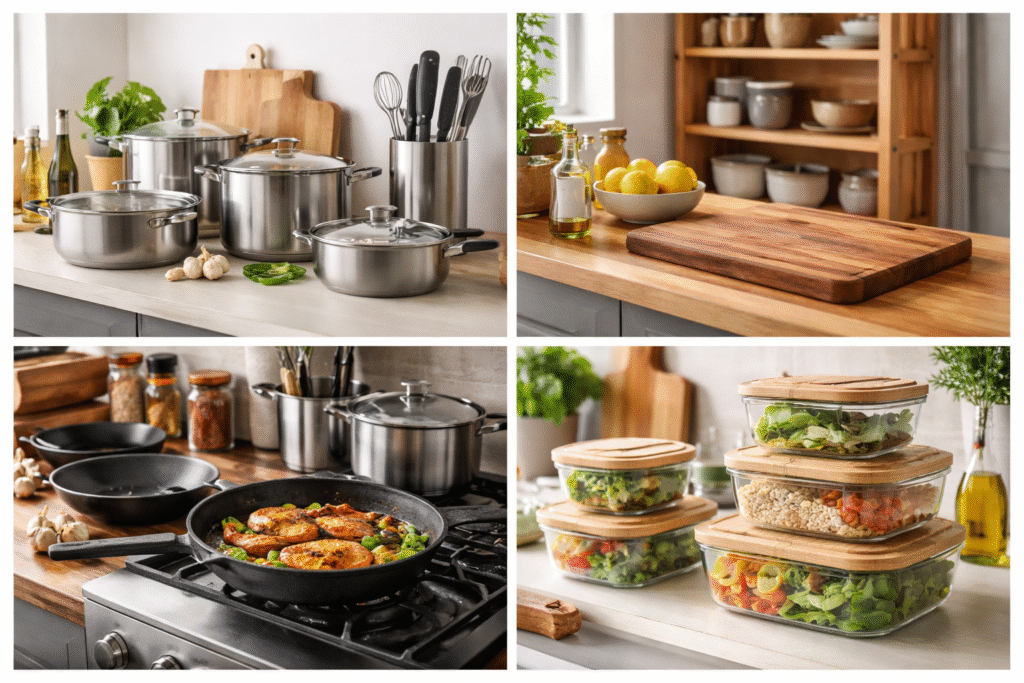
- Stainless steel lasts longer than thin metal or plastic
- Solid wood is stronger than pressed or particle board
- Heat-resistant glass is safer and lasts longer than ordinary glass used in kitchen items.
- Silicone often lasts longer than low-quality rubber
Before buying, read the product description and labels. If the material is not clearly mentioned, that can be a warning sign.
- Look at Build Quality and Finish
A well-made product feels solid in your hands. Poorly made items often feel light, loose, or uneven.
Check for:
- Smooth edges
- Tight screws and joints
- Even surfaces
- Strong handles and lids
If something feels weak or poorly finished, it is likely to break faster. Good build quality usually means better performance and longer life.
- Choose Simple Designs Over Complicated Ones
Simple designs often last longer than complex ones.
Products with:
- Fewer moving parts
- Simple mechanisms
- Basic features
are easier to use and tend to last longer.
For example, a simple manual kitchen tool may last longer than an electronic one with many buttons and settings. Simple designs are also easier to clean and maintain.
- Read Real User Reviews
User reviews are one of the best ways to understand how a product performs over time.
When reading reviews:
- Focus on long-term use comments
- Look for mentions of durability
- Read both positive and negative reviews
Avoid products with many complaints about breaking, poor quality, or short lifespan. Real user experiences often reveal problems you cannot see in pictures.
- Choose Trusted Brands (But Be Smart)
Well-known brands often have better quality control and customer support. They usually care about their reputation and offer better products.
However, not all branded products are great, and not all lesser-known brands are bad.
A smart approach:
- Compare materials and features
- Read reviews
- Check warranty information
Trust brands that consistently deliver quality, not just popular names.
- Check Warranty and Return Policies
A warranty is a strong sign that a company believes in its product.
When choosing home essentials, check:
- Length of warranty
- What the warranty covers
- Ease of returns or replacements
Products with no warranty or very limited coverage may not be built to last. Even a short warranty shows some level of confidence from the manufacturer.
- Think About Maintenance and Care
Some products last longer simply because they are easy to maintain.
Before buying, ask:
- Is it easy to clean?
- Are replacement parts available?
- Does it need special care?
For example, items that are dishwasher-safe or rust-resistant usually last longer because people can maintain them easily. If a product is hard to clean or repair, it may wear out faster.
- Avoid Trendy but Low-Quality Items
Trendy home essentials look attractive, but they are not always made to last. Many trend-based products focus more on appearance than durability.
Instead:
- Choose classic designs
- Focus on function over style
- Pick neutral colors and timeless shapes
Classic and practical items stay useful even when trends change, making them better long-term choices.
- Match the Product to Your Lifestyle
A product that lasts longer for one person may not work for another.
Consider:
- How often you will use it
- Who will use it (kids, pets, elderly)
- Your space and storage conditions
For example, heavy-duty kitchen tools are better for frequent cooking, while lighter items may work for occasional use. Choosing products that fit your lifestyle reduces wear and damage.
Common Mistakes to Avoid
Many people shorten the life of their home essentials by making these mistakes:
- Buying only based on price
- Ignoring material quality
- Not reading reviews
- Choosing style over function
- Skipping warranty checks
Avoiding these mistakes can greatly improve how long your home essentials last.
Why Choosing Long-Lasting Home Essentials Matters
Choosing durable home essentials is not just about saving money. It also helps you:
- Reduce waste
- Save time on replacements
- Enjoy better performance
- Create a more comfortable home
Long-lasting products give peace of mind and make everyday life easier.
Final Thoughts
Choosing home essentials that last longer is all about being informed and thoughtful. You do not need expert knowledge — just attention to quality, materials, and real user feedback.
By following these 10 powerful tips, you can make smarter choices, avoid disappointment, and build a home filled with reliable essentials that serve you well for years.
Take your time, compare options, and remember: good choices today lead to fewer problems tomorrow.
FAQ
What are the most durable home essentials?
The most durable home essentials are items made from strong, high-quality materials and designed for regular use. These include stainless steel cookware, solid wood furniture, ceramic or tempered glass items, and well-built kitchen tools. Products with simple designs and fewer moving parts usually last longer than complicated or cheaply made items.
Which materials last longest for home products?
Some materials are known for their long life and strength. Stainless steel, solid wood, cast iron, ceramic, tempered glass, and high-quality silicone are among the most durable materials for home products. These materials resist wear, heat, moisture, and daily use better than low-quality plastics or thin metals.
How can I tell if a home product is good quality?
You can tell a home product is good quality by checking its materials, build, and reviews. A good product feels solid, has a clean finish, and has no loose parts. Reading real user reviews, checking warranty details, and choosing trusted brands also help you judge quality before buying.
Are expensive home essentials always better?
No, expensive home essentials are not always better. While higher prices sometimes mean better materials or design, many affordable products offer excellent quality and long life. The best choice is to compare materials, reviews, and features rather than relying only on price.